
Roofing Leads: When to Buy Them and When to Build Your Own Lead Generation
Buy roofing leads when you need jobs this month and have no reviews, rankings, or ads running yet. Build your own lead generation when you want a lower cost per booked job next year. Bought leads start quickly and need little setup, but you pay for every one and keep nothing when you stop. Google Ads can start soon after setup, while a strong Google Business Profile and SEO usually take months to build, and the inquiries come to your business instead of a list of contractors.
Elescend runs Google Ads for small businesses in Canada and the United States, offers SEO, has managed Google Ads for a roofing company, and has worked with more than 100 businesses.
Score Every Lead Source on One Sheet Before You Decide
You cannot compare channels you do not track. Before you buy another lead or start another campaign, set up one sheet, in a spreadsheet or your CRM, with a row for every lead and these columns:
| Column | Why it matters |
|---|---|
| Lead source | Marketplace, Local Services Ads, Google Ads, organic search, referral |
| Date and time received | Lets you check response time |
| Job type | Repair, replacement, inspection, or commercial |
| Minutes to first contact | Response speed can decide who wins a shared lead |
| Inspection booked (yes/no) | Shows lead quality before the quote |
| Quote sent and value | Shows what the lead was worth to chase |
| Job booked (yes/no) and job value | The only result that pays the bills |
| Cost of the lead | Lead fee, or ad spend divided by leads that month |
At the end of each month, total the cost and the booked jobs for each source and job type. That gives you cost per booked job by channel, the number every decision below depends on.
Common Mistakes When Buying Roofing Leads
Judging vendors on price per lead. A cheap lead that several other roofers are also calling can cost more per booked job than an expensive lead that came only to you.
Not asking who else gets the lead. Some leads are sold to more than one contractor. If you do not know how many, you do not know what you are buying.
Treating bought leads as the plan. Bought leads stop the day you stop paying, and nothing stays behind. They work as a bridge, not as a business.
Rent or Own: How the Main Roofing Lead Sources Compare
| Lead source | How you pay | Who else gets the lead | What stays when you stop paying | How fast it starts |
|---|---|---|---|---|
| Shared lead marketplaces | Per lead | Possibly several other contractors | Nothing | Soon after you sign up |
| Exclusive lead sellers | Per lead | Nobody, if exclusivity is real | Nothing | Soon after you sign up |
| Google Local Services Ads | Per lead related to your business | The homeowner may also contact other businesses | New leads stop | After setup |
| Google Search ads | Per click | The homeowner contacts you, though they may still shop around | Account data, keyword history, and landing pages | After setup |
| SEO and Google Business Profile | Monthly work, no fee per lead | The homeowner contacts you, though they may still shop around | Pages and reviews you built, and rankings that can keep working | Usually months, longer in competitive metro markets |
The top two rows are renting, the bottom two are owning, and Local Services Ads sit in between.
The Math: Cost Per Booked Job, by Job Type
Cost per booked job = cost per lead ÷ your close rate.
An illustration only, so plug in your own numbers. Say a shared lead costs you $60 and you close one in fifteen. Each booked job costs $900 in leads. Now say a lead from your own Google Ads costs $180, and because that homeowner chose your ad and your reviews, you close one in four. Each booked job costs $720. The lead that costs three times as much costs less per booked job.
Three things change the answer, so check them before you move budget:
Job mix. A source that sends mostly small repairs can show a low cost per booked job and still lose money next to a source that sends replacements. Calculate repair and replacement separately, and compare each against the profit on that job type.
Storm months. After a major hail or wind event, inquiries can include homeowners starting an insurance claim who want a roofer to guide them through the adjuster process. Those leads may close differently, so judge storm months on their own and do not let one busy month set your budget for the year.
The full cost. Count lead fees, ad spend, any management fee, and lead-tracking software on both sides.
For how we set up and manage paid search, see our Google Ads management service.
How to Work a Shared Lead
When several roofers receive the same lead at once, reaching the homeowner first can give you an edge. A simple routine:
Respond in seconds, not minutes. Set up instant alerts, or an automatic text with your name and direct number where the lead has agreed to be contacted by text, so the homeowner hears from you before the next roofer calls.
Call right after the text. If there is no answer, leave a short voicemail and try again later that day.
Qualify, then book. Ask what the problem is, how old the roof is, whether an insurance claim is involved, and who makes the decision. Then offer a specific inspection time, such as "Thursday at 10," instead of "when works for you."
Follow up on a set schedule, such as the next day and again later that week, then mark the lead closed.
Log the outcome on your sheet, including leads that never answered, so the vendor's real cost per booked job shows up.
Expect some bought leads to be wrong numbers, out of your area, or people who are not ready to hire. Mark each one on your sheet and claim credit for it wherever your contract allows.

When Buying Roofing Leads Makes Sense
Buying leads is the right call when:
You are new. With no reviews, rankings, or search history, SEO and a strong Google Business Profile take time. Bought leads keep crews working while you build.
You have a gap in the calendar. Paying for a few leads can keep idle crews working.
You want to test a new service or area. A small lead buy shows whether demand is there before you build pages and ads.
It stops making sense when your close rate on bought leads is low, when the seller takes most of your margin, or when a year of buying has left you owning nothing new.
Questions to Ask a Roofing Lead Company Before You Pay
How many contractors receive each lead?
What does "exclusive" mean in your contract, and for how long?
Which leads can I get credit for: wrong numbers, out-of-area requests, or services I do not offer?
Can I set my own service area and job types, such as replacement only?
Is there a contract term, a minimum spend, or a setup fee?
Where do the leads come from: search ads, forms, calls, or purchased lists?
Can I pause at any time without a penalty?
If a seller will not answer these in writing, that is the answer.
Google Local Services Ads: The Middle Ground
You pay for leads related to your business and the services you offer. Leads arrive as phone calls and messages through your Local Services ad, and you can track bookings and manage leads online. In select categories, businesses can earn a Google Verified badge.
It can be a first step away from shared leads. If you run Local Services Ads alongside other channels, mark bookings in the Local Services Ads dashboard, copy them to your lead sheet each month, and compare cost per booked job against every other source before you move budget.
How We Set Up an Owned Google Ads Channel to Filter Out Poor Leads
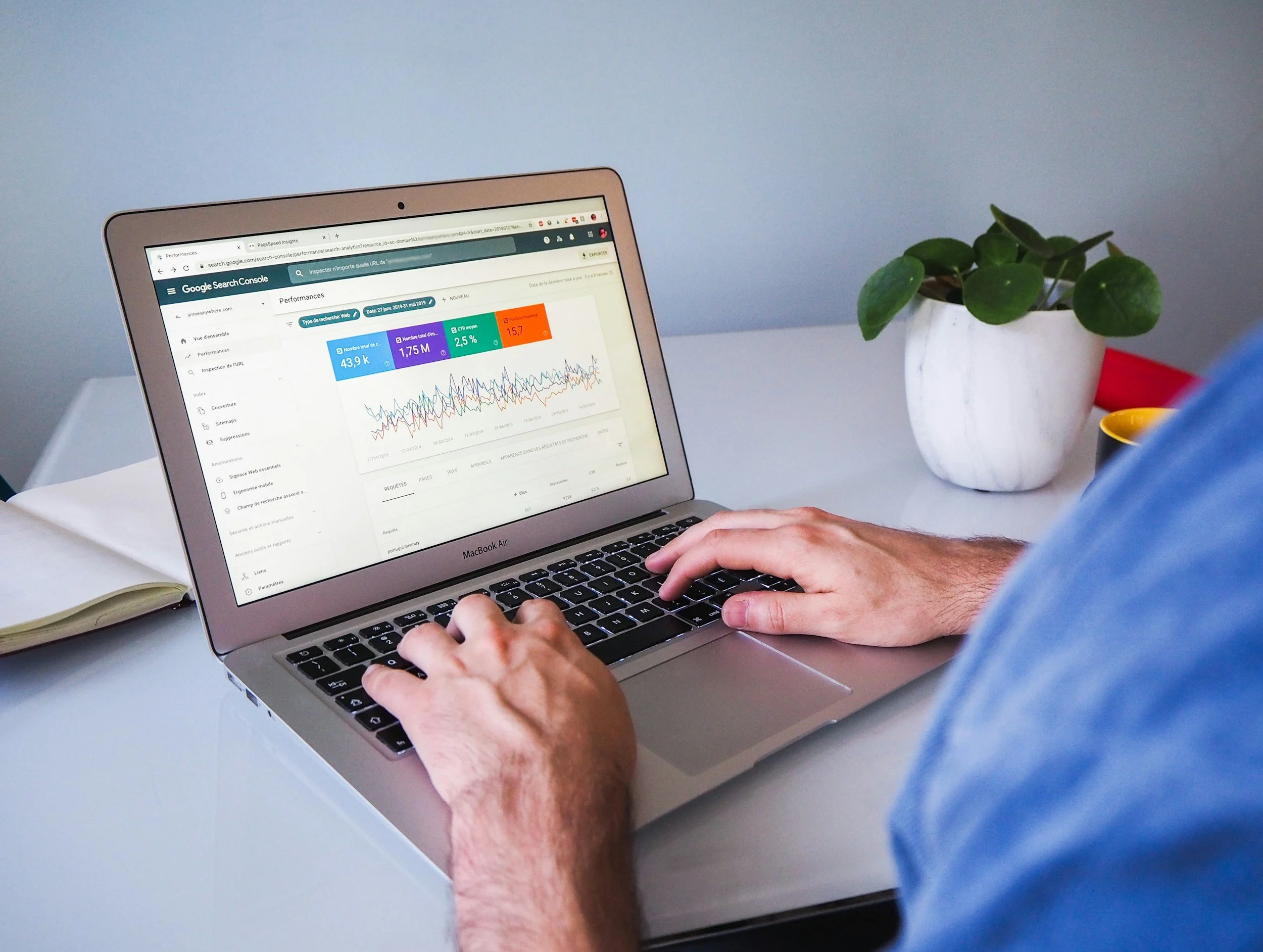
Owning the channel means you control who reaches you. When we set up Google Ads for a roofer, we:
Run separate campaigns for replacement, repair, and emergency work, so each job type has its own budget.
Target people located in the service area, not people elsewhere who show interest in it.
Add negative keywords at setup for job seekers (roofing jobs, roofer salary, hiring), DIY searches (how to, DIY, tutorial), material shoppers (shingle prices, roofing supplies), services the roofer does not offer, and towns outside the service area.
Track calls and form submissions, so results are measured in leads, not clicks.
Send each ad to a page about that service, not the homepage.
With a bought lead, you control little of that beyond the filters the seller offers. You get whatever the seller sends.
Commercial vs Residential Roofing Leads
Residential leads often start with a homeowner searching after a leak, a storm, or an inspection report, so fast response and strong reviews matter.
Commercial roofing leads tend to work differently. Property managers, facility managers, and general contractors usually choose roofers they know and trust, and those relationships take time to build. Answering a leak call quickly can be what opens the door. Residential lead lists are unlikely to help. Focus on:
A target list of property managers, facility managers, and general contractors in your service area.
A bid-ready package: proof of insurance, references, and photos of past commercial work.
A commercial services page that shows the roof types you install and repair.
A follow-up after every bid, win or lose, so the manager thinks of you for the next one.
How to Move From Bought Leads to Owned Lead Generation
Set up the lead sheet above and run it for at least 60 days.
Complete your Google Business Profile and ask every finished customer for a review.
Give each core service its own page on your website, starting with roof replacement.
Run Google Search ads on your highest-value jobs, with call and form tracking from day one.
Build SEO on the same service pages so leads keep coming without a fee per click.
Cut bought-lead spend one source at a time, once your owned cost per booked job is lower for that job type.
Treat this as a gradual shift that you review every month, not a single switch.
One Real Roofing Account
Royal Roofing is a family-owned roofing company in California whose Google Ads campaign we managed on a $250 daily budget. From November 1 to 30, 2024, using client-reported figures, the campaign produced 82 conversions from $7,300 in spend, or $89 per conversion. That is one account in one month, November 2024, and conversions are not booked jobs, so it is not a benchmark. It shows what an owned channel looks like: the campaign ran on Royal Roofing's own budget and brought leads to Royal Roofing, not to a shared list. Read the full Royal Roofing Google Ads case study and more Google Ads case studies.
What Happens Next
Book a free 20-minute call. Tell us where your leads come from now and what you pay for them.
We look at your numbers with you, source by source.
We build the owned channel that fits your market and budget.
You decide what to do next.
Contact us to book your free 20-minute call
FAQs: Roofing Leads
-
Prices vary by seller, market, job type, and whether the lead is shared or exclusive. Compare sellers on cost per booked job: cost per lead divided by your close rate, calculated separately for repair and replacement.
-
They can be, because you are not racing other roofers for the same homeowner. Check what "exclusive" means in the contract, and track your close rate.
-
For a new company or a slow stretch, often yes. As a long-term plan, rarely, because nothing you pay for stays when you stop paying.
-
Build channels where the homeowner chooses you: Google Search, your Google Business Profile, referrals, and your own website. Use paid lead sources to fill gaps while those build.
-
Through relationships built over time: a target list of property managers and general contractors, fast response on leak calls, a bid-ready package, and a commercial services page that shows the roof types you work on.
-
Bought leads, Google Ads, and Local Services Ads can start soon after setup. SEO usually takes months to bring steady leads, and longer in competitive metro markets.

Anthony Yang
Hi, I’m Anthony, the founder of Elescend Marketing. Over the past few years, I’ve worked with more than 100 local businesses across North America, including residential and commercial roofers.
Today, my team pairs a 15-year SEO specialist with an 8-year Google Ads veteran to help contractors land high-ticket roof replacements instead of wasted clicks. Whether you need Google Ads, local SEO, or both, we are here to help you drive real, measurable revenue. Visit my LinkedIn profile.
