Will AI Content Get You Penalized by Google? The Honest Answer

Google does not penalize content for being AI generated. Google penalizes content that is unhelpful, unoriginal, or built purely to rank, whether a person or a model wrote it. Elescend Marketing uses AI inside a human-edited process for Canadian clients, because the signal Google acts on is quality and originality, not the tool used to produce the draft.
The internet has decided that AI content is either a magic shortcut or a one-way ticket to a Google penalty, and both takes are wrong. The truth is more useful and more boring: Google does not care whether a human or a machine typed the words. It cares whether the result helps the person who searched. Miss that distinction and you will either waste the tool or get burned by it.
What most people get wrong
They ask “is AI content penalized” when the real question is “is this content useful.” Google’s own guidance has been consistent: it rewards helpful, people-first content however it is produced, and it acts against scaled content made to game rankings rather than help readers. The penalty is not for using AI. It is for publishing the kind of content that mass AI use tends to create: thin, generic, and indistinguishable from a hundred other pages.
What actually gets dropped
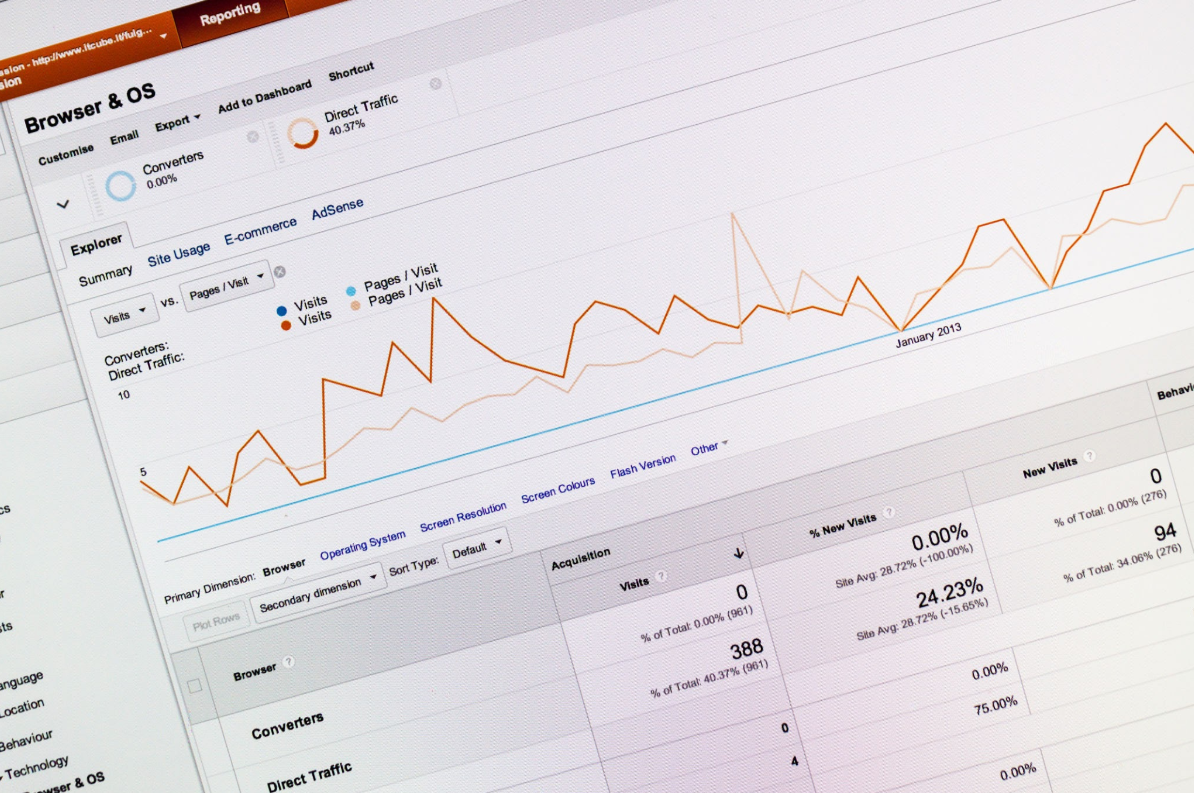
We see the same pattern again and again. Pages get quietly buried or refused indexing not because a detector caught an AI fingerprint, but because they are near-duplicates of each other, stuffed with a repeated keyword phrase, and empty of any real experience or specific insight. Publish forty of those and Google does what it has always done with low-value content at scale: it stops trusting the site. The AI did not cause the penalty. The lack of anything worth indexing did.
One caveat worth naming. A big, established site can get away with more mediocre content than a small one, because authority buys slack. If you are not a household name, your margin is thinner and the bar is effectively higher. And at scale the duplicates do a second kind of damage: they waste the crawl budget Google is willing to spend on your site and muddy which page should rank, so even your good pages get discovered more slowly.
How to use AI without getting dropped
Use it for the draft, not the thinking.
AI is a fast writer and a poor expert. If the ideas, the specifics, and the point of view are yours, and the tool just helps you write them faster, you are fine. If the tool supplies the ideas too, you are publishing the same generic page as everyone else using the same tool. The line matters: the structure and the argument have to be yours, not just the finishing touches. Experience sprinkled onto a generic AI outline is still a generic page.
Add what a machine cannot.
First-hand experience, real numbers, a genuine opinion, a specific local detail. This is exactly what Google says it wants and exactly what mass-produced content lacks. It is also the one thing that cannot be faked at scale.
Do not publish near-duplicates.
If two pages say almost the same thing, you do not have two assets, you have a cannibalization problem and a quality signal working against you. One strong page beats ten thin ones, every time.
Cut before you scale.
If a page does not earn its place, do not publish it to hit a quota. Volume for its own sake is precisely the behaviour Google’s scaled-content rules target.

The contrarian bit
The businesses panicking about AI detection are worrying about the wrong thing. There is no reliable “AI detector” deciding your rankings. There is a very reliable helpfulness bar, and it has been rising for years. Write to clear that bar and the tool you used to draft is irrelevant. Write to clear that bar as I detailed in the small-business-SEO piece, and the tool you used to draft is irrelevant. Write below it and no amount of “human-sounding” editing will save you.
How Elescend Marketing approaches AI in content
We use modern tools to work faster, then do the part that actually matters by hand: the research, the expert point of view, and the specifics that make a page worth ranking. The result is content that helps a real reader, which is the only thing that has ever been safe. for the more details Elescend SEO services page
FAQ
-
No. Google's guidance targets content quality and purpose, not the production method. Content written to help a reader can rank whether AI assisted or not. Content mass produced to game rankings gets suppressed whether a human or a model wrote it. The tool is not the trigger.
-
Content that repeats what already exists without adding anything, pages published at volume with no editing or verification, and text created only to hold keywords rather than answer a question. Unverified claims and invented statistics cause the most damage, because they undermine trust signals across the whole site.
-
Yes, when a person adds original insight, verifies every factual claim, and edits for a real reader rather than a crawler. AI is useful for structure, drafts, and research summaries. The parts that decide ranking, which are judgment, first-hand knowledge, and accuracy, still have to come from a person.
What to do next
Open your last ten published pages and ask, honestly, whether any could have been written by anyone about any business. Those are your risk.
Find your near-duplicates and decide which one wins. Merge or redirect the rest.
On your most important pages, add the first-hand experience and specifics a machine could not invent.
Book a free content audit and we will show you which pages are helping you and which are quietly holding the whole site back.
No pressure to commit. The audit tells you what to keep, what to fix, and what to cut.

Anthony Yang
Hi, I’m Anthony, the founder of Elescend Marketing. Over the past three years, I’ve worked with more than 100 small businesses across North America.
Today, I lead a highly skilled SEO team and work closely with small businesses to help them reach the first page of Google and build steady organic traffic within six months. My focus is on delivering real, measurable results, not empty promises. Visit my LinkedIn profile.