
SEO for TCM and Acupuncture Clinics in Abbotsford
Patients in Abbotsford search for acupuncture and Traditional Chinese Medicine by city and by neighbourhood, and your clinic page should answer that search directly. This page shows how we make your website clearly about Abbotsford and the central Fraser Valley, so Google and local patients both see your clinic as the area’s anchor.
Your regional service radius
Abbotsford is the hub of the central Fraser Valley and draws patients from across it. Naming that regional role and the surrounding towns tells Google your clinic is the area’s anchor rather than a misfiled listing from another province.
The community demand driver
Abbotsford has a significant Punjabi and Sikh community whose members search for and value traditional Chinese medicine. Content and reviews that acknowledge that community make your clinic the relevant result in a market many competitors ignore.
Owning an under-served market
Patients travel into Abbotsford from smaller Fraser Valley towns for services they cannot find closer to home. Building signals around that inbound demand widens your footprint well beyond the city limits.
Where to start: First, diagnose why the page ranks low for Abbotsford while surfacing elsewhere. Second, rebuild it around the city and the central Fraser Valley. Third, add the community and regional signals so your own searches climb.
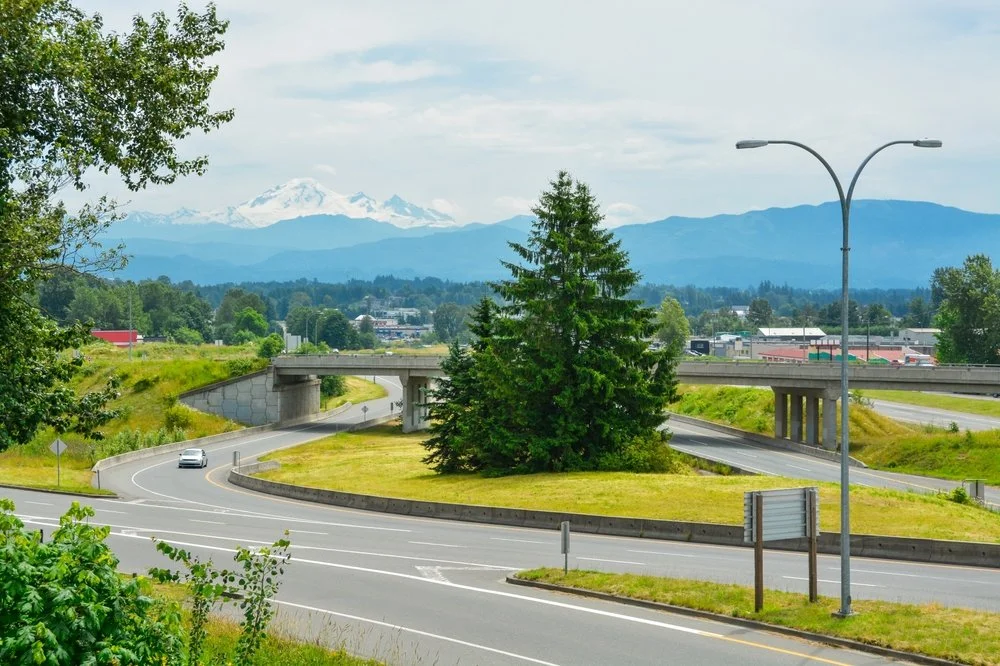

Abbotsford is one of BC's fastest-growing cities and one of the hardest places in the province to find a family doctor. The Fraser Valley has experienced a sustained primary care shortage for over a decade. Patients who cannot access a GP for recurring pain, sleep disorders, digestive problems, or stress-related conditions do not simply wait. They look for alternatives and in Abbotsford, a meaningful portion of those patients land on Traditional Chinese Medicine not as a last resort but as a practical first response to conditions that conventional care has not adequately addressed.
This is not the same TCM market as Burnaby or Surrey. Abbotsford patients who seek TCM are often doing so because it is the most accessible credentialed healthcare option available to them, not because they are comparing wellness options from a position of abundance. That changes the search intent. It changes the decision timeline. And it changes what your clinic website needs to do to convert a search into a booking.
The problem most Abbotsford TCM clinics face is that their websites were built for a different market. Generic service pages written for Metro Vancouver search behaviour do not speak to the specific pressures, demographics, and geographic realities of the Fraser Valley. A patient in Clearbrook searching for help with chronic joint pain from years of physical labour is using different search terms, carrying different trust criteria, and making a different kind of decision than a patient in Burnaby browsing wellness options near Metrotown. If your website and Google Business Profile treat those two patients identically, you are not reaching the Abbotsford patient effectively.
This page is for TCM practitioners in Abbotsford who want to understand what local SEO actually means in this specific market and what it would take to build a reliable new-patient channel through Google.

Who Is Actually Searching for TCM in Abbotsford
Abbotsford does not have one TCM patient demographic. It has four, and each one searches differently.
-
Abbotsford is surrounded by working farms and has a large population employed in physical trades, construction, and agriculture. Chronic back pain, joint deterioration, repetitive strain injuries, and occupational fatigue are common presenting conditions in this demographic. These patients search by condition and immediacy "acupuncture for back pain Abbotsford," "cupping for muscle recovery near me," "joint pain TCM Abbotsford BC." They are not browsing. They have a specific problem and they want to know if you can address it. A clinic website with no condition-specific content is invisible to this patient segment regardless of how good the treatment outcomes are.
-
Abbotsford's Punjabi-Canadian community is one of the largest in BC outside Metro Vancouver. This community's primary traditional medicine system is Ayurveda, not TCM which means TCM is not a default first choice for health concerns the way it is for Chinese-Canadian or Korean-Canadian patients. However, there is a growing segment within this community that seeks TCM specifically for conditions Ayurvedic practitioners in the area do not address: fertility support, neurological symptoms, post-surgical recovery, and chronic pain management. These patients search carefully and read clinic content closely before deciding. They respond to clear explanations of what TCM treats and how it differs from other alternative medicine systems, and they weight CTCMA credential display heavily because the regulatory framework reassures them about practitioner qualification.
-
UFV's Abbotsford campus brings a concentrated population of 18-25 year olds dealing with the specific health pressures of student life: anxiety, disrupted sleep, digestive problems from irregular eating, sports injuries from varsity and intramural athletics, and increasingly, burnout. This demographic searches primarily on mobile, responds to online booking availability, and makes decisions quickly once they find a clinic that looks credible and accessible. They search in plain terms "acupuncture for anxiety Abbotsford," "TCM near UFV," "cupping therapy Abbotsford student." They are unlikely to spend time reading long service descriptions, but they do read reviews, and they trust peer recommendation signals embedded in review volume and response quality.
-
Abbotsford is the urban center for a wide regional catchment. Patients from Mission cross the Lougheed Highway bridge when they need healthcare services Abbotsford can provide. Patients from Matsqui Village, Bradner, Arnold, and Sumas Prairie communities with no local TCM options drive into Abbotsford for practitioner visits they cannot access closer to home. These patients have the highest driving tolerance of any Abbotsford TCM patient segment and will travel across the city for a practitioner they trust. They find you through Google Maps and they book based on distance from the highway route they already use, review quality, and clear service information. A GBP service area that only covers central Abbotsford without referencing Mission and the surrounding rural communities leaves this patient segment without a reason to choose you over a Langley clinic that appeared first.
The Specific Search Problem Abbotsford TCM Clinics Face
Abbotsford sits at the eastern boundary of what Google treats as the Metro Vancouver local search cluster. Langley clinics appear in Abbotsford map results. Surrey clinics appear in Abbotsford map results. Chilliwack clinics occasionally appear. The geographic spread of Google's local results for "acupuncture Abbotsford" is wider than in any Metro Vancouver municipality because Abbotsford's own TCM clinic density is lower and Google fills the gap with the nearest credibly-configured competitors.
This means an Abbotsford TCM clinic is not only competing against other Abbotsford clinics. It is competing against the entire east Metro Vancouver and west Fraser Valley TCM market simultaneously. A clinic in Langley with strong local signals will appear in Abbotsford results even though it is 30 kilometers away, because Google has more confidence in that clinic's relevance signals than in an Abbotsford clinic with a weak GBP configuration.
The corrective is not complicated but it requires deliberate execution across every signal layer.
-
The single highest-impact change for most Abbotsford TCM clinics. If your current primary category is "Alternative medicine practitioner," "Wellness centre," or "Health spa," you are not appearing for the specific treatment searches that drive bookings. The correct category is "Acupuncture clinic" or "Traditional Chinese medicine clinic" depending on your primary revenue service. This change alone has produced map pack movement for Abbotsford clinics within 30 days in our audit work.
-
A correctly set Abbotsford service area covers the city itself plus Mission, Matsqui, Clearbrook, West Abbotsford, and the rural communities to the east. Without explicit service area configuration, Google defaults to a narrow radius that excludes the regional patient catchment that represents a significant portion of the Abbotsford TCM market.
-
Each of the four patient segments above uses different search terms. A single "Services" page cannot rank for all of them. Individual pages targeting "acupuncture for back pain Abbotsford," "fertility acupuncture Fraser Valley," "TCM for anxiety near UFV," and "herbal medicine Clearbrook" pull in specific patient intent that a generic services overview page simply cannot capture.
-
In a market where patients are often choosing TCM because conventional healthcare is inaccessible, the College of Traditional Chinese Medicine Practitioners and Acupuncturists of British Columbia (CTCMA) registration number is not just a trust signal it is the proof of legitimacy that converts a cautious first-time TCM patient into a booking. Displaying your CTCMA registration number prominently and referencing BC regulatory scope of practice on your website serves both the patient trust function and Google's YMYL content quality assessment simultaneously.

What Abbotsford Patients Do Before They Book
No transit means every patient in Abbotsford is making a deliberate driving decision. They are not booking the convenient clinic near a SkyTrain station. They are booking the clinic that convinces them the drive is worth it.
That decision happens almost entirely on Google Maps and the clinic website before any contact is made. The patient checks your map listing, reads your most recent five reviews, looks at whether you have responded to reviews, checks your hours, looks for an online booking option or a clear phone number, and then if all of that passes visits your website to confirm that you treat what they have come for.
Most Abbotsford TCM clinic websites fail at the final step. The patient arrives having passed the Google Maps trust check, looking for confirmation that this practitioner handles their specific condition. They find a generic services list, a brief practitioner bio with no condition specifics, and a contact form. That is not a conversion. That is a bounce to the next listing.
The website's job in this market is narrow and specific: confirm that you treat this condition, show that you are credentialed and regulated, and make the next step (calling or booking) as obvious as possible. Everything else is secondary.
How Elescend Approaches Abbotsford TCM Clinic SEO
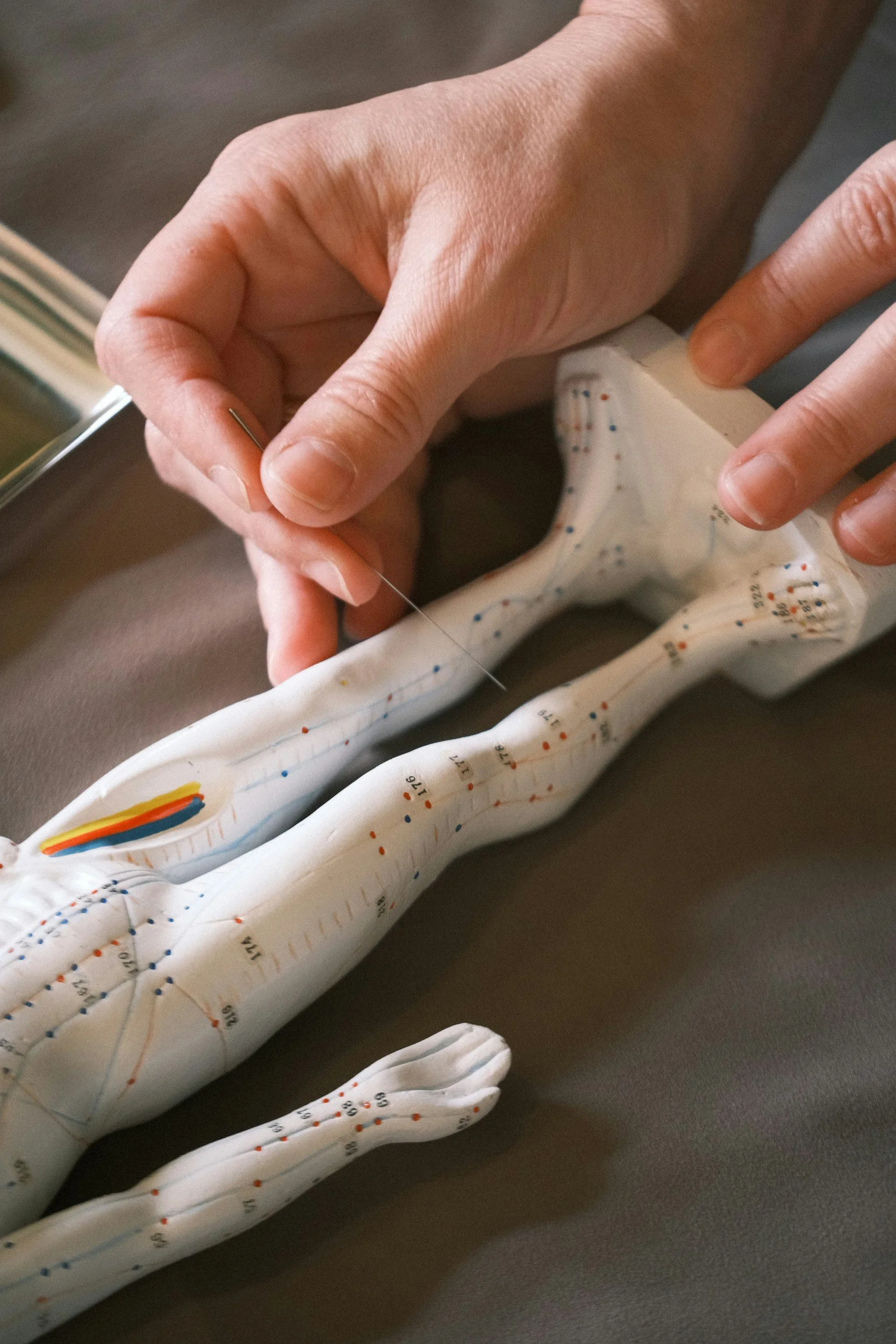
Every engagement starts with an audit, not a proposal. We document exactly what Google currently sees for your clinic GBP category accuracy, service area configuration, indexing status of all pages, NAP consistency across directories, and your current map pack position for Abbotsford-specific searches. In most Abbotsford clinic audits, we find the same core issues: miscategorized GBP, service area set too narrowly or too broadly, no condition-specific pages, and citation gaps in Fraser Valley directories.
We fix in order of impact. GBP configuration first because it moves fastest. Technical indexing corrections second because content improvements do not register until the site is correctly indexed. Condition-specific content third, built around the four patient segments above rather than a generic treatment list. Citation building fourth, covering BC wellness directories, the CTCMA practitioner listing, and Fraser Valley community directories where your clinic should appear and does not.
Reporting is monthly. Rankings, GBP performance data, traffic changes, what moved and what we changed to move it. No interpretation required.
One pattern specific to Abbotsford: clinics that add Mission and Matsqui to their service area configuration and build one piece of content referencing those communities see faster map pack movement than clinics that only optimize for central Abbotsford. The reason is reduced competition there are almost no clinics optimizing for those specific searches, and even partial coverage of an uncontested area produces ranking gains quickly.

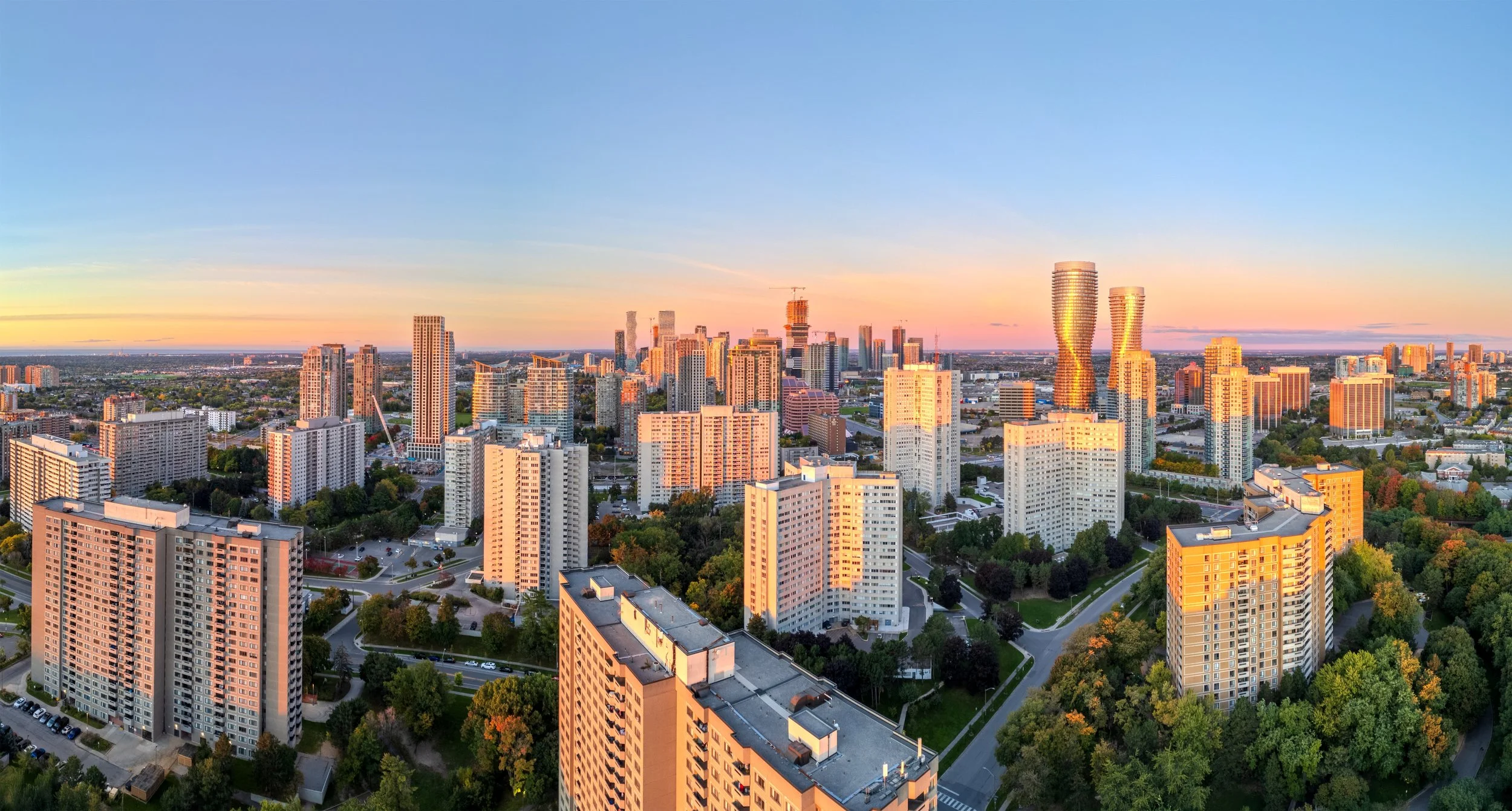
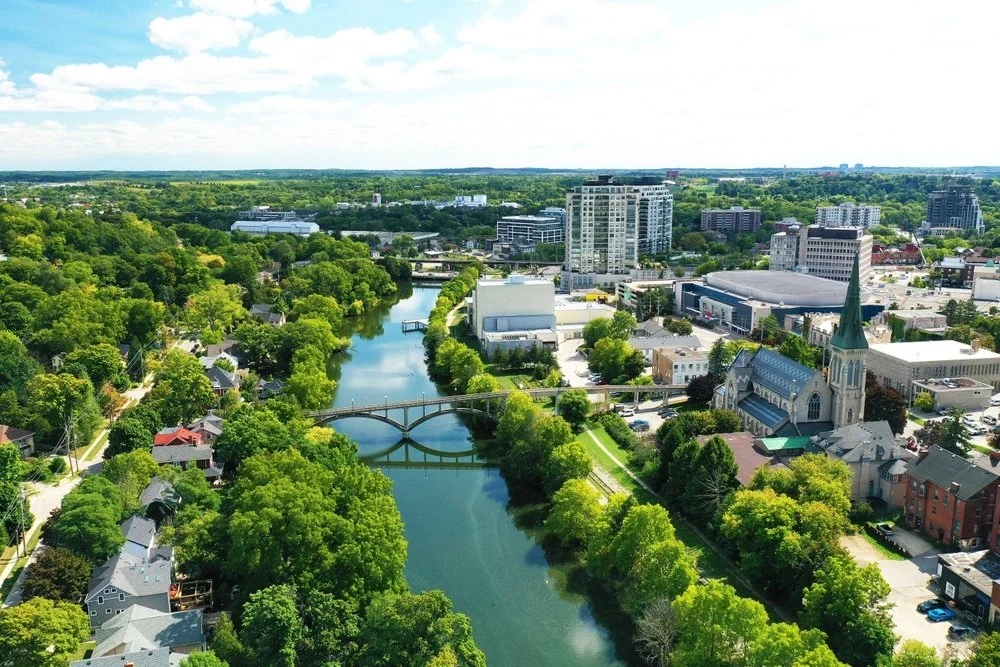
Our Service Locations



Frequently Asked Questions
-
Langley clinics appear in Abbotsford map results because Google ranks by local signal strength across a geographic range, not by clinic location alone. Abbotsford has lower TCM clinic density than Langley, so Google fills the gap with the nearest well-configured competitors. An Abbotsford clinic with a correctly categorized GBP, a service area that explicitly names Abbotsford neighborhoods and adjacent communities, and consistent NAP citations across Fraser Valley directories will begin displacing Langley results for Abbotsford-specific searches within 30-60 days of configuration corrections being processed.
-
Yes, in a measurable way. Patients in markets with limited primary care access search for alternative medicine with higher urgency and lower comparison-shopping behavior than patients in markets with abundant GP access. In Abbotsford specifically, this translates to condition-specific searches that indicate a patient who has already decided they need TCM and is choosing a practitioner, rather than a patient still exploring whether TCM is right for them. Content that directly addresses specific conditions and makes the booking process visible converts at a higher rate in this market than content explaining TCM's general benefits.
-
The Punjabi-Canadian community in Abbotsford represents a patient segment with different entry points into TCM than Chinese-Canadian or Korean-Canadian communities. Because Ayurveda is more culturally familiar in this community, TCM conversion requires clearer content explaining what TCM specifically addresses that other traditional medicine systems do not, with particular emphasis on regulated credentials. Displaying the College of Traditional Chinese Medicine Practitioners and Acupuncturists of British Columbia (CTCMA) registration number and referencing BC regulatory scope of practice directly addresses the legitimacy question this patient segment carries into the search process.
-
Yes. Mission has no TCM clinic density of its own and residents regularly cross into Abbotsford for healthcare services. Adding Mission to your GBP service area and including one reference to Mission in your website content is sufficient to capture those searches. Mission patients have high driving tolerance relative to their population size and convert well because they have already made the commitment to travel before they contact you. The SEO cost of capturing Mission is minimal a service area configuration update and one content reference and the competition for those searches is essentially zero.
-
UFV students search on mobile with low research depth and high responsiveness to convenience signals: online booking availability, clear pricing information, hours that accommodate class schedules, and location proximity to the campus on King Road. They reach a booking decision faster than older patient segments but bounce faster too if the website does not immediately answer the practical questions. Condition-specific content targeting student health concerns anxiety, sleep disruption, sports injuries combined with a clear and fast booking path converts this demographic. Long-form educational content does not.
-
Based on Fraser Valley search patterns, the highest-competition terms are "acupuncture Abbotsford" and "TCM Abbotsford BC" both dominated by established Langley and Surrey clinics with strong accumulated signals. The fastest ranking opportunities for an Abbotsford clinic are condition-specific searches: "acupuncture for back pain Abbotsford," "fertility TCM Fraser Valley," "cupping therapy Abbotsford," and "herbal medicine Clearbrook BC." These searches have lower competition, clearer patient intent, and higher conversion rates than the broad category terms. We build condition pages for these searches before targeting the broader terms.
-
The duplicate content problem across location page networks occurs when pages share the same structure, section order, paragraph logic, and phrasing with only the city name changed. Google's content quality systems identify this pattern and suppress indexing for pages it classifies as near-duplicates. The fix is substantive structural and content differentiation different narrative entry point, different local specifics, different patient demographic focus, different section architecture. This is not a metadata fix. It requires a full content rebuild for each location page, which is what this engagement delivers. Recovery timeline after a content rebuild is typically 4-8 weeks from when Google recrawls the updated pages.
-
For new patient acquisition in the short term while SEO builds, yes. Google Ads targeting Abbotsford condition-specific searches can produce immediate booking inquiries while organic rankings develop. The important distinction is that paid search stops producing results the moment the budget stops, while organic SEO compounds over time. We recommend Ads as a short-term bridge, not a permanent substitute for organic visibility, because the long-term cost per patient acquisition through paid search in a health services market significantly exceeds the equivalent cost through well-established organic rankings.
The Audit Is the Starting Point
Send your website URL and Google Business Profile link to hello@elescendmarketing.com or call +1 (647) 482-8863. We return a written audit within two business days.
The audit documents your current map pack position for Abbotsford-specific searches, your GBP configuration gaps, your indexing status, NAP consistency across Fraser Valley directories, and a prioritized list of what to fix first and why. We walk through it on a 20-minute call. You ask questions and we give direct answers. From there you have everything you need to decide whether to proceed, and what that looks like for your specific clinic, patient base, and competitive position in Abbotsford.
No retainer commitment before you have seen what we found.
Get Free SEO Audit

Anthony Yang
Hi, I’m Anthony, founder of Elescend Marketing. After helping over 100 businesses grow, I now lead a team that specializes in modern SEO for TCM practitioners. By combining my strategic leadership with the technical depth of an SEO expert with 15+ years of experience, we offer a level of precision most agencies can't match.
In this new era of AI-driven search, we help clinics dominate the local map and symptom-based queries. We turn your clinical expertise into online visibility and build predictable organic traffic in under six months prioritizing real patient conversions over empty clicks.