

SEO for Acupuncture and TCM Clinics in Texas
Texas runs on referrals, and that reshapes the whole SEO model
Texas Occupations Code Chapter 205 requires that a patient has been evaluated by a physician or dentist for the condition being treated within the six months before acupuncture is performed, or has been referred by a chiropractor within 30 days before treatment begins. A license holder treating under the chiropractor-referral path must refer the patient back to a physician after 20 treatments or 30 days, whichever comes first, if substantial improvement has not occurred.

Elescend Marketing runs SEO for acupuncture clinics across Texas, built around the referral structure that governs how a clinic can legally see a patient in the first place.
The consequence for marketing is structural, not cosmetic. A Texas clinic's growth depends on a working referral network from physicians, dentists, and chiropractors nearly as much as direct patient search, because the law gates most treatment behind a prior evaluation or referral. Physicians and chiropractors mostly do not find a clinic by searching Google the way a patient does; they refer based on existing relationships, directories, and professional networks. What SEO and web content can do is make sure that once a referral source is considering a clinic, its site clearly explains scope, process, and eligibility so the referring office can confirm the fit quickly. That means Texas needs a two-part content model most other states do not: patient-facing local content, and clear, scope-accurate pages that hold up when a referral source checks the clinic out.
What Texas patients are actually searching for
Semrush, United States database, August 2026
Houston carries the most volume in the state and also the highest difficulty. San Antonio matches Austin's volume at roughly two-thirds the difficulty, and Plano offers a meaningfully softer entry point in the Dallas-Fort Worth metro than Dallas itself.
San Antonio: the best demand-to-difficulty ratio in the dataset
At 880 monthly searches and keyword difficulty 18, San Antonio has the best demand-to-difficulty ratio of any metro in our entire US acupuncture dataset. For a clinic weighing where to open a second location or where to invest first, this is close to the strongest signal available anywhere in our dataset.

Houston, Austin, San Antonio, and Dallas-Fort Worth each need a distinct approach
Houston's volume and difficulty both run highest, which means it rewards clinics with an established review base and a genuine content investment rather than a fast entry play. Austin sits in the middle on both counts, with a market that skews younger and more wellness-forward than Houston's. San Antonio remains the clear opportunity here, the same strong volume at low difficulty described above, and a market that appears comparatively underserved by dedicated acupuncture content relative to its search demand. Dallas-Fort Worth splits into two behaviours: Dallas itself is harder and more contested, while Plano offers a genuinely softer path into the same broader metro, useful for a clinic that wants Dallas-area visibility without opening the fight in Dallas proper.
How we turn search demand into booked patients
Rankings are not the deliverable. Every contact form is named after the page it sits on, so when an enquiry arrives we know which page produced it, and submissions route securely to one monitored inbox, with compliance for patient information handled by the clinic's own practice management or CRM system rather than by our forms. Google Business Profile reporting covers calls, direction requests, and profile actions. In Texas we track referral-channel enquiries separately from direct patient search, since the two audiences convert differently. Your monthly report is split in two: what was done, and what the performance was against the prior period.

Winning the local pack and the AI answer layer
Two surfaces now decide whether a Texas patient finds a clinic. Condition queries, such as what acupuncture treats or how it works alongside a physician's diagnosis, are the AI Overview fight, and that surface rewards clearly structured, factually specific, citable content. "Near me" and city-plus-acupuncture queries are the Local Pack fight, rewarding proximity, review volume, and profile match quality. The same clearly structured, well-sourced content that wins the AI Overview fight also happens to be what a referral source checking the clinic's site will trust.
Frequently asked questions
-
Cost depends on the metro. San Antonio and Plano sit toward the lower end given lower competitive difficulty for real search volume. Houston sits highest, since both volume and difficulty are greatest there. We quote after a free audit, once we can see the actual gap.
-
The rule governs who a license holder may treat, not what a clinic may say in an ad, but advertising still has to be accurate about it. A clinic cannot advertise as though a patient can simply book and be treated on demand, since state law requires the physician evaluation or chiropractor referral first. Content that explains the process and eligibility clearly performs better than copy that skips the requirement.
-
Through content, not compensation. Texas law requires the underlying evaluation or referral relationship, and any exchange of value for referrals raises separate legal questions outside SEO. What works is building pages and materials that make a clinic's scope, process, and outcomes clear and easy for a physician's office to reference when they are already deciding where to send a patient.
-
San Antonio, at keyword difficulty 18, typically shows measurable movement in three to six months. Houston, at keyword difficulty 37, is closer to six to twelve months for comparable movement on head terms, though service-line and condition pages can move faster in both markets.

Get a free visibility review for your Florida clinic
We will review your site, your Google Business Profile, and your visibility in both the map pack and AI answers, and show you exactly where the gaps are. No commitment required.
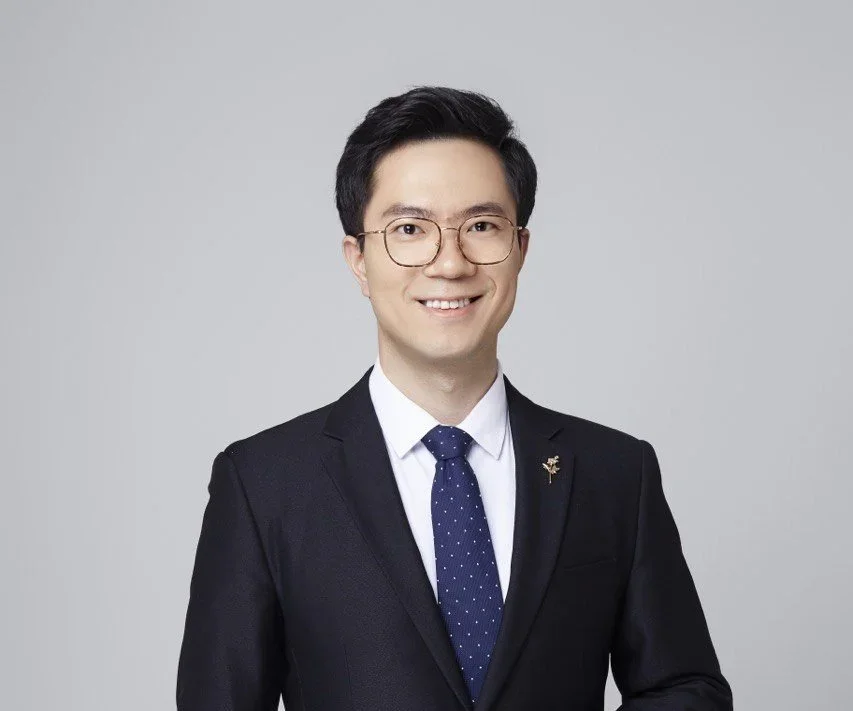
Anthony Yang, Founder and Team Leader, Elescend Marketing
Anthony is the founder and team leader at Elescend Marketing, where the SEO and GEO team is led by a senior specialist with more than 15 years of search experience. The team has worked with over 30 acupuncture and TCM clinics across Canada, the United States, and the United Kingdom, part of more than 100 businesses served. Its clinic work covers state board advertising rules, professional title and disclosure requirements, secure patient enquiry routing, and lead attribution.
Texas acupuncture SEO is won by building for two audiences at once: the patient searching directly, and the physician or chiropractor whose referral the law requires before most treatment can begin.