

SEO for Acupuncture and TCM Clinics in New York
Who regulates acupuncture in New York
Acupuncture licensure in New York runs through the New York State Education Department Office of the Professions, supervised by the Board of Regents and supported by the State Board for Acupuncture. Education Law section 8212 restricts the title licensed acupuncturist to those licensed under Article 160, and the Office of the Professions confirms that the initials used in connection with a licensed acupuncturist's name are L.Ac.
As of January 1, 2026, NYSED recorded 4,155 registered acupuncture licensees with New York State addresses, out of 5,186 registered licensees in total. Queens leads with 883, followed by New York County with 725, Kings with 509, and Nassau with 509. That distribution is the strategy on a plate: the practitioner base is heaviest in Queens and Manhattan, and the search competition follows it.

What New York patients are searching for
Keyword difficulty 55 is among the highest of any acupuncture metro term in the country. A new clinic aiming its homepage at acupuncture nyc is entering one of the hardest fights in the category and will lose it for years. The demand is real, but it is not the entry point.
How to build a borough and region strategy
The entry point is the borough, then the neighborhood inside it. Flushing carries the largest concentration of licensed acupuncturists in the state, alongside a patient base that searches and reviews in Mandarin and Korean. Manhattan Chinatown holds long-established clinics with deep community trust and, often, sites untouched in a decade. Koreatown in Midtown serves a commuter and office population searching for stress, neck pain, and headache relief on weekday lunch breaks. Sunset Park in Brooklyn mirrors Flushing's language profile with materially lighter competition, making it one of the strongest cost-to-return neighborhoods in the city. Long Island and Westchester are suburban markets with their own map packs, and Nassau alone accounts for 509 registered licensees. A Manhattan clinic will not rank in Great Neck.
Borough and neighborhood pages only work when each one carries something the others do not. Each page needs its own practitioner bios, its own transit and parking detail, and its own clinical focus. Pages that vary only the place name are the doorway pattern Google discounts, and they will drag the whole set down rather than lift it.
How to market inside NYSED rules
Section 29.1(b)(12)(iv) allows them provided the patient expressly authorizes the portrayal in writing, disclosure prevents misleading imagery as to the patient's identity, reasonable disclaimers are included as to any statements made or results achieved, and no fictional testimonials are used. A review strategy is therefore available, but a quoted patient result needs written authorization and a disclaimer on file, and any claim inside it must be substantiable.
Title use. The Office of the Professions states that use of the title doctor when offering professional services must reflect the profession in which the licensee holds a doctorate degree. Education Law section 8211 also requires acupuncturists to advise each patient to consult a licensed physician about their condition and to retain a signed record of that advisement, which is worth remembering before publishing content that positions acupuncture as an alternative to medical care.

New York treats advertising failures as unprofessional conduct under the Rules of the Board of Regents, section 29.1(b)(12), which reaches beyond a marketing penalty into professional discipline under Education Law section 6509. The rule prohibits advertising that is false, fraudulent, deceptive or misleading, that guarantees any service, or that makes any claim about services or price which cannot be substantiated by the licensee, who shall have the burden of proof. That burden sitting on the licensee is the operative detail. Licensees must also retain an exact copy of each advertisement for one year after its last appearance, and produce it on demand.
Testimonials. New York permits patient testimonials, conditionally.

Why cash-pay and in-network clinics need different SEO
A Manhattan cash-pay clinic is selling a premium wellness experience, and we support this growth through our TCM and acupuncture SEO pillar Its patients search by outcome and by condition: fertility support, stress and burnout, migraines, cosmetic acupuncture, sports recovery. Those searches carry no insurance qualifier, they convert on credibility and presentation, and the content that wins them is depth on the condition, the practitioner, and the protocol. Price is rarely the deciding factor, so a page that leads with price is arguing on the wrong ground.
An outer-borough in-network clinic is selling access. Its patients search symptom plus coverage: back pain acupuncture that takes insurance, acupuncture near me that accepts my plan, no-fault or workers compensation acupuncture. Those searches convert on clarity, and the content that wins them states plainly which plans are accepted, what the intake looks like, and how billing works.
Same service, two entirely separate keyword sets, two separate page structures. Running one strategy across both is the most common reason a New York clinic plateaus.
How we turn search demand into booked patients
Rankings are not the deliverable. Every contact form is named after the page it sits on, so when an inquiry arrives we know which page produced it instead of guessing, and submissions route to one monitored inbox. Google Business Profile reporting covers calls, direction requests, and profile actions, which is where most clinic phone demand surfaces. Search Console and analytics cover the rest.
Your monthly report is split in two. What was done: pages created using on-page SEO techniques, target keywords, indexing status, Google Business Profile activity, and backlinks secured. What the performance was: traffic and click trends against the prior period. A video walkthrough is available on request.
How to market inside NYSED rules
New York treats advertising failures as unprofessional conduct under the Rules of the Board of Regents, section 29.1(b)(12), which reaches beyond a marketing penalty into professional discipline under Education Law section 6509. The rule prohibits advertising that is false, fraudulent, deceptive or misleading, that guarantees any service, or that makes any claim about services or price which cannot be substantiated by the licensee, who shall have the burden of proof. That burden sitting on the licensee is the operative detail. Licensees must also retain an exact copy of each advertisement for one year after its last appearance, and produce it on demand.
Testimonials. New York permits patient testimonials, conditionally. Section 29.1(b)(12)(iv) allows them provided the patient expressly authorizes the portrayal in writing, disclosure prevents misleading imagery as to the patient's identity, reasonable disclaimers are included as to any statements made or results achieved, and no fictional testimonials are used. A review strategy is therefore available, but a quoted patient result needs written authorization and a disclaimer on file, and any claim inside it must be substantiable.
Title use. The Office of the Professions states that use of the title doctor when offering professional services must reflect the profession in which the licensee holds a doctorate degree. Education Law section 8211 also requires acupuncturists to advise each patient to consult a licensed physician about their condition and to retain a signed record of that advisement, which is worth remembering before publishing content that positions acupuncture as an alternative to medical care.
Why clinics choose Elescend
Clinics are the core of what we do, not a side account at a generalist agency. We have clinic clients in the United States and Canada, and we market traditional Chinese medicine and acupuncture clinics including providing top-notch Local SEO Services across Canada, the United States, and the United Kingdom, so the regulatory and patient-behavior patterns on this page come from live accounts rather than theory. We are based in Canada and know the North America market.
AI SEO is a core practice here, not an add-on. Getting clinic content cited in ChatGPT and Google AI Overviews is work we do, measure, and report on. First-year pricing is set deliberately low and tailored to small and medium clinics, because the clinics we work best with are owner-operated rather than venture-backed.
Anthony, our founder, speaks Mandarin. Clinics that would rather handle day-to-day communication in Mandarin are welcome to work with him directly. Our SEO content itself is written in English only.
Frequently asked questions
-
New York City sits at the top of the range nationally, because keyword difficulty 55 on the head term means the competitive cost of every ranking is higher. Suburban Long Island and Westchester clinics cost materially less to compete in. First-year pricing is set deliberately low and tailored to small and medium clinics. We quote after the audit.
-
Do not budget on the head term. Borough and neighborhood terms move in three to six months. Acupuncture nyc at difficulty 55 is a twelve to eighteen month objective for an established site with real authority, and is not a realistic first-year goal for a new clinic.
-
Borough pages, then neighborhood pages beneath them. One citywide page competes against every clinic in New York at once. A Flushing page competes against the clinics on the next block, which is a fight you can win.
-
Yes, and in-network clinics should, because coverage-qualified searches convert well. Keep it factual about which plans you accept and how billing works. Anything that guarantees coverage or a reimbursement outcome runs into 29.1(b)(12), where the burden of substantiation sits on the licensee.
Get a compliance and visibility review for your New York clinics
We will review your site, your Google Business Profile, your visibility in the map pack and AI answers, and whether your current advertising copy holds up against the NYSED rules above. No commitment required.
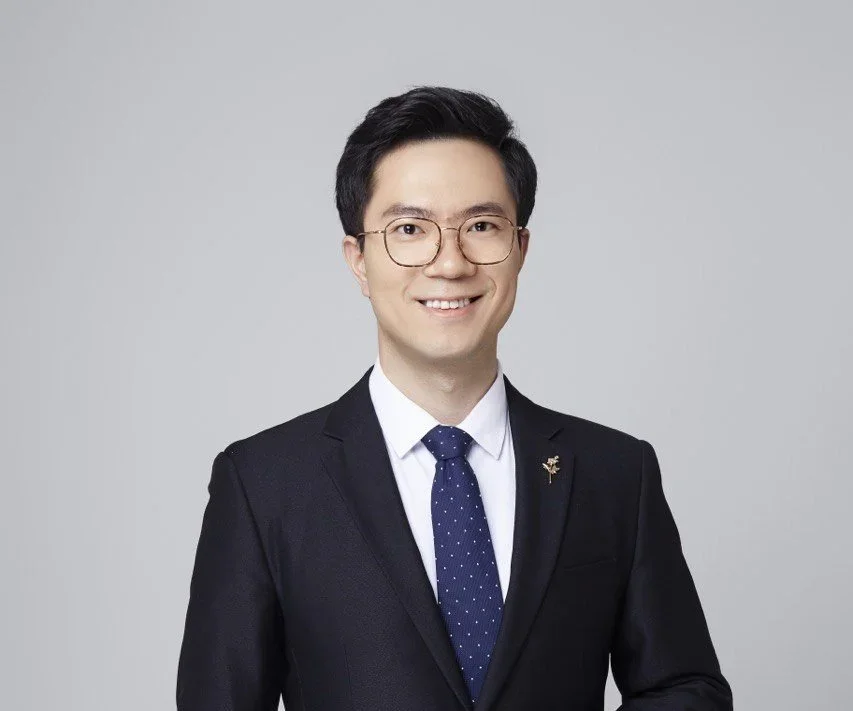
Anthony Yang, Founder and Team Leader, Elescend Marketing
Anthony is the founder and team leader at Elescend Marketing, where the SEO and GEO team is led by a senior specialist with more than 15 years of search experience. The team has worked with over 30 acupuncture and TCM clinics across Canada, the United States, and the United Kingdom, part of more than 100 businesses served. Its clinic work covers state board advertising rules, professional title and disclosure requirements, and lead attribution that ties every inquiry back to the page that produced it.
New York City generates roughly 4,000 acupuncture searches a month, among the highest concentrated metro demand in the United States, and the clinics that capture it win at borough level rather than citywide.