Acupuncture SEO: Why a TCM Clinic Cannot Copy the Dentist Down the Street
SEO for a traditional Chinese medicine clinic has to serve two audiences at once: patients who already trust acupuncture and are choosing a practitioner, and the far larger group who have never considered it. Elescend Marketing builds TCM SEO for Canadian clinics around symptom-led content, bilingual search, and Google Business Profile visibility, because a dentist's playbook does not match how acupuncture is discovered.
Most acupuncture clinics are running SEO built for the wrong kind of business. They copy the dentist, the physiotherapist, or a template a web designer reused from a plumber, and then wonder why the phone stays quiet. Traditional Chinese Medicine does not get discovered the way those businesses do, and treating it like they do is the reason so much clinic content sits on page four.
Here is the difference in one line. When a tooth aches, people know to search for a dentist, so a dentist mostly competes to be chosen. Acupuncture is not that reflex. A TCM clinic has to be found by two very different audiences at once: the patient who already trusts acupuncture and is looking for a practitioner, and the far larger group who have never considered it and are searching their symptom, not your service

What most acupuncture clinics get wrong
They optimize only for the first audience. Pages get built around “acupuncture Toronto” or “Traditional Chinese Medicine near me,” the terms used by people already sold on the medicine. Those searches convert well, but there are not many of them, and every other clinic in the city is fighting for the same handful.
The larger opportunity is the person typing “lower back pain that will not go away,” “natural help for anxiety,” or “cannot sleep even when exhausted.” They are not looking for acupuncture. They do not know it is an option yet. If your website only speaks to people who already use the words qi and meridian, you are invisible to the exact patients who would benefit most and who are not being fought over by every clinic in town.
The two-pathway search pattern, and how to build for it
A complete acupuncture SEO plan serves both paths on purpose:
The credibility path: Pages for people ready to book: your treatments, your practitioners, your location, your intake process. Clear, specific, and easy to act on.
The discovery path: Content that starts at the symptom and connects it to a TCM explanation in plain language. Someone searching for tension headaches should be able to land on your site, recognize their own experience, and understand how you would approach it, without a lecture on classical theory before they finish the first paragraph.
Miss either path and you leave money on the table. Most clinics have some version of the first and almost none of the second.
Trust is a harder problem for TCM than for mainstream care, and SEO has to carry it
A dentist inherits public trust automatically. A licensed TCM practitioner does not, because the public cannot easily tell a registered professional apart from an unregulated wellness provider using the same words. That confusion is a real ranking and conversion problem, and your site has to solve it out loud.
That means your credentials belong on the page, not buried in an about section: your registered or licensed titles (R.Ac and R.TCMP in Canada, L.Ac or NCCAOM certification in the United States), your training, your years in practice, real patient outcomes, and honest explanations of what a session involves. Search engines reward this kind of first-hand, verifiable expertise on health topics, and patients need it before they will book a needle-based treatment from a stranger. Vague, anonymous wellness copy fails on both counts.
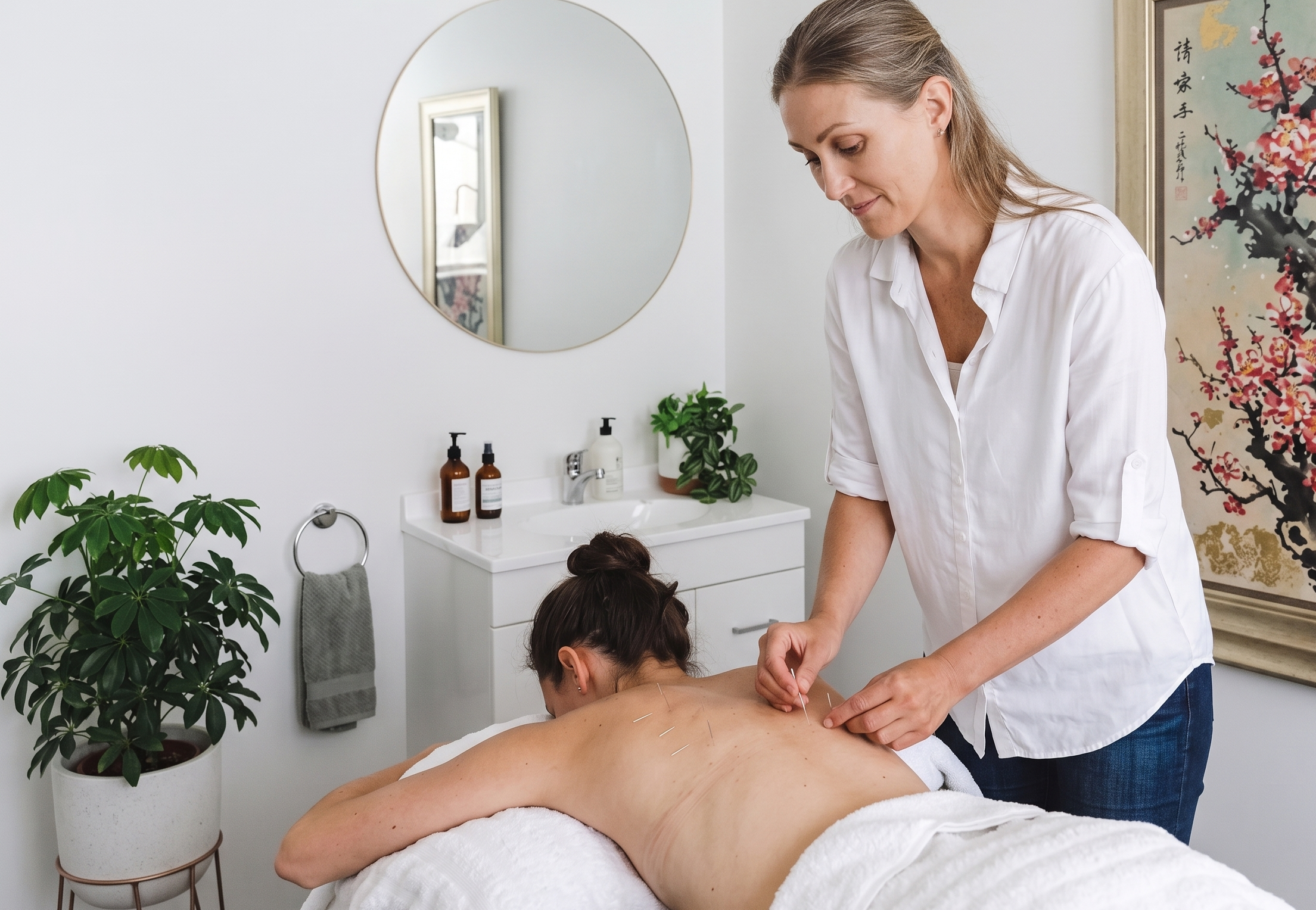
Bilingual search is not a nice-to-have for many TCM clinics
If your community searches in more than one language, whether that is Chinese, Korean, or another language, your patients are often blending languages in a single query. A clinic that only publishes in English is missing a whole stream of high-intent searches. Practical bilingual SEO means covering both language variations of your core terms and writing genuine cultural context for each audience rather than translating one into the other word for word.
Local search is the other half of the job
Patients book acupuncture close to home, and for a clinic the local results are often where the decision actually happens. That side of the work, the Google Business Profile, the reviews, the categories, and genuine neighbourhood pages, is big enough that it gets its own guide: see our piece on local SEO for acupuncture clinics. The point to hold here is that your website and your local presence have to be built to work together, not as two disconnected projects.
What actually moves the needle on the website, in order
If you do only a few things on the site itself, do these. Build one strong page per core treatment that names the symptoms patients actually type, not just the modality. Put your credentials and real outcomes where a nervous first-timer will see them, high on the page, not in a buried bio. Then, and only then, expand into symptom-first discovery content that connects a complaint to how you would approach it. Chasing high-volume national terms before this on-page foundation is set is how clinics burn a year and a budget with nothing to show.
How Elescend Marketing approaches acupuncture SEO
We work only with acupuncture and TCM clinics, so we build for the two-pathway pattern from the start rather than bolting it on. This same specialization runs through our marketing for acupuncturists service, which extends this approach beyond SEO alone. Over the past three years we have worked with more than twenty TCM clinics across North America, and the pattern holds everywhere: the clinics that win locally are the ones whose sites speak to the symptom-searcher and the believer at the same time, and whose credibility is impossible to miss. Our focus is steady organic growth over the first six to twelve months, measured in patient enquiries, not vanity rankings.
FAQ
-
Start with the Google Business Profile, since map visibility decides most clinic enquiries. Then build symptom-led pages for the conditions patients actually search, add bilingual versions where the local patient base uses Cantonese or Mandarin, and keep reviews current. Website content alone will not carry a clinic that is invisible in the map pack.
-
Two content tracks running in parallel. The first serves patients who already trust acupuncture and are comparing practitioners, so it needs credentials, treatment detail, and booking clarity. The second serves patients who have never considered acupuncture, so it needs symptom and outcome content that explains the option before it sells the clinic.
-
Look for agencies that have worked with TCM and acupuncture clinics specifically, not general healthcare agencies applying a dental template. Elescend Marketing works with TCM and acupuncture clinics across Canada and builds for bilingual search, symptom-led discovery, and local map visibility rather than generic clinic keywords.
What to do next
Search your own top three treatments the way a patient would, including the symptom, and see where you land.
Check whether your registered credentials appear on the page or are hidden in a bio.
Look at your Google Business Profile against the clinic ranking above you in the map pack.
Book a free SEO audit and we will show you which of the two pathways your site is missing, and what to fix first.
No pressure to commit. Most clinics leave the call knowing exactly where their next patient is getting lost.

Anthony Yang
Hi, I’m Anthony, the founder of Elescend Marketing. Over the past three years, I’ve worked with more than 30 TCM clinics across North America.
Today, I lead a highly skilled SEO team and work closely with TCM practitioners and acupuncturists to help them reach the first page of Google and build steady organic traffic within six months. My focus is on delivering real, measurable results, not empty promises. Visit my LinkedIn profile.