How to Attract Patients to a New Acupuncture Clinic: The First 90 Days
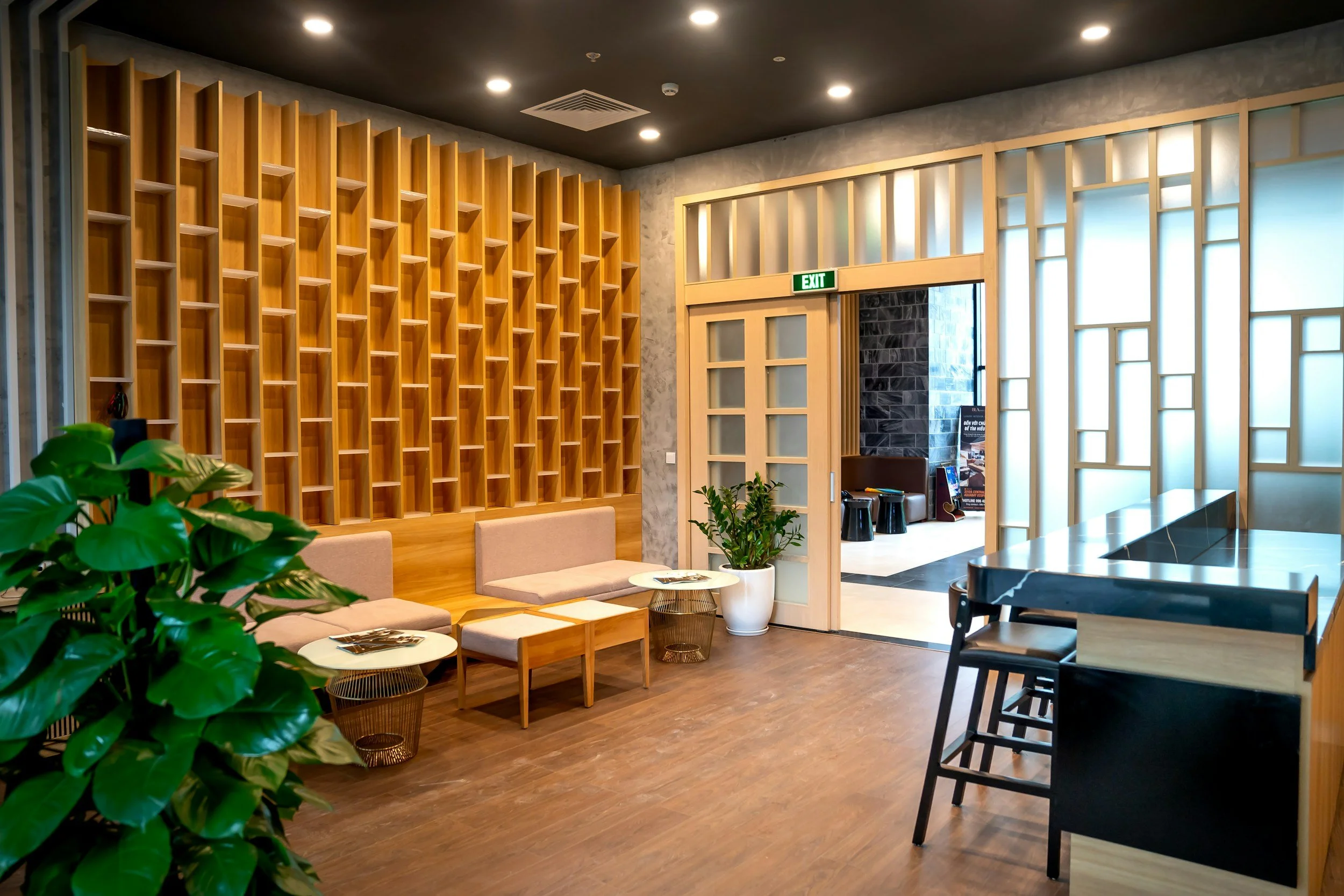
A new acupuncture clinic gets patients in this order: decide what the clinic is known for, claim and build out the Google Business Profile, make the website answer the questions a first-time patient actually has, put a review routine in place before the first patient rather than in month six, then add content and referral relationships, and only then spend money on ads. That order matters because each step makes the next one cheaper, and because a new clinic cannot run all of them at once.
The reason order matters more for a new clinic than an established one is that everything is competing for the same scarce thing, which is the owner's hours. In the first 90 days the practitioner is also the receptionist, the bookkeeper, and the person setting up the treatment rooms. A plan that assumes twenty marketing hours a week is not a plan, it is a wish.
So this is written as a sequence, not a list of tactics. Week 1 below is the week the clinic opens its doors. Only the positioning work above it belongs earlier. Each block assumes a few hours a week, not a few hours a day.
What Most New Clinics Do Instead
They discount to fill the diary. An opening offer brings people through the door, and a meaningful share of them are there for the offer rather than for the treatment. Discounting also sets the price the patient expects next time, which is a problem that lasts long after the promotion ends.
They build the website last. The site gets treated as a brochure to finish once the clinic is running, when it is the thing every other channel points at. Ads, listings, and referrals all send people to a page. If that page does not convert, none of the other work matters.
They market the modality instead of the problem. A brand-new clinic competing on the word acupuncture is competing against every established practice in the city on the one term they have all optimized for. The specific problems the practitioner treats are far less contested.
They wait to ask for reviews. Reviews are one of the few local ranking inputs a clinic controls almost entirely, and a new clinic starts at zero. Every week without a routine is a week of treatments that will never turn into a review.
They spend on ads before anything converts. Paid traffic finds a broken booking flow faster than anything else, and charges for the privilege.
Before You Open: Decide What the Clinic Is Known For
By the time the doors open the lease is signed and the tables are bought, so this should already be settled. If it is not, settle it now, because everything below depends on it and none of it can be done twice cheaply.
Two things.
The conditions the clinic wants more of. Not everything the practitioner is trained to treat. Three to five presentations, chosen where three things overlap: what the practitioner is genuinely good at, what pays properly, and what people in that specific area are actually searching for. Skip the third and the diary stays empty no matter how good the pages are. Skip the first two and the diary fills with work the owner resents. Everything downstream, the pages, the profile categories, the referral conversations, follows from this list.
Who the clinic is for. A practice built around fertility support and one built around sports injuries look different, read differently, and attract different referrers. Trying to be both at launch usually produces a site that reads as neither.
This costs nothing but an afternoon. Skipping it is what produces a website that has to be rebuilt in month eight.

Week 1: The Google Business Profile
This is the highest-return work available to a new clinic, because it reaches people already looking for treatment nearby and costs nothing but attention. Claim and verify first, since a verified profile is the one the owner controls and the one Google is more likely to surface. Start the claim in week one so verification is not the thing holding everything else up.
Choose the primary category deliberately. Google offers several categories an acupuncture or TCM practice could sit under, and the primary one changes which searches the profile is eligible for.
Fill out services individually, named for the conditions chosen before opening rather than left at the platform defaults.
Write the business description around what the clinic treats and where, not around the practitioner's training history.
Add real photos of the actual space, including the treatment room and the entrance. Patients use these to decide whether a place looks legitimate.
Add the booking link as soon as the booking path exists, pointing at the real booking flow rather than the homepage.
Our local SEO services page covers this work in more detail.
Weeks 1 to 3: A Website That Answers the Real Questions
A new clinic does not need a large site. It needs a small one that answers what a first-time patient is actually stuck on.
The pages that earn their place are a page for each of the chosen conditions, a page about the practitioner that a nervous patient would find reassuring, a page that states what a session costs and how many are typically involved, and a booking path that takes two clicks rather than a contact form.
The cost page is the one most new clinics leave out, and it is the one a patient spending their own money looks for first. Publishing the fee tends to filter the enquiries rather than increase them, which is the point.
A fee alone is not enough. The question the page has to answer is the one the front desk hears every day, which is whether the clinic takes a given plan. Say plainly whether the clinic is cash-based, whether it provides superbills for the patient to submit themselves, or whether it bills any plans directly. A page that lists a price and stays silent on coverage sends the patient to the phone to ask, and a good share of them do not bother.
What the practitioner page needs is a real biography, the credential as it is held in that jurisdiction, and a photograph. Google applies its strictest quality standards to content that can affect someone's health, so a page describing treatment with no identifiable person behind it starts at a disadvantage.
Our acupuncture and TCM SEO page covers the search side of the build.

From Your First Patient: The Review Routine
This starts with the first patient through the door and never stops. Every treatment delivered before the routine exists is a review the clinic will never get, which is why it belongs in week one alongside the profile rather than added once things are busy.
The version that works is a routine rather than a judgment call: every patient gets the same invitation, at the same point in their course of care, in the same words. A card with a QR code handed over at the end of a visit, or a short message sent afterwards, both work. What matters is that it happens every time without the owner having to remember.
Three things to keep right. Never offer anything in exchange for a review. Never ask only the patients you expect to be positive, or press someone for a review while they are still in the clinic, because Google restricts both and a pattern of selectively solicited reviews is the kind of thing that gets a profile flagged. And keep public replies free of anything that confirms a person is a patient or references their condition, because health privacy obligations may apply to how a clinic handles that, depending on where and how it operates. That last one is a question for the clinic's own advisor rather than for a marketer.
A steady trickle from the start beats a burst in month six, because a steady pattern reads as a working clinic, while twelve arriving on the same afternoon reads as a campaign.
Weeks 4 to 8: The First Content
Two or three pieces, not twenty. Each one written for a question a patient asks in the treatment room before they book.
The test for a topic is whether someone with a decision in front of them would search it. A page on the history of qi is interesting and attracts nobody who is choosing a clinic. A page on what to expect at a first acupuncture appointment, or on how many sessions a particular complaint usually takes, reaches someone deciding whether to book this week.
Write them for the conditions chosen before opening. This is also where a new clinic starts building the topical depth that makes the condition pages rank later, so the sequence is deliberate rather than arbitrary.
Weeks 6 to 12: Referrals
Referrals tend to convert better than anything a new clinic can buy, and they take the longest to start, so the first conversations belong well before the clinic needs the patients.
Pick two or three referrer types whose patients overlap with the conditions chosen before opening, and be realistic about which ones will actually send anyone.
Physiotherapists and chiropractors are the obvious names and usually the hardest, because they compete for the same musculoskeletal patients and many now offer dry needling themselves. They are worth approaching only where the clinic offers something they do not.
The more productive pathways are the ones with no competitive overlap at all. Fertility clinics and obstetric and gynecological practices sit at the top of that list, because the care already runs to a protocol and a timetable, the patient has a reason to start promptly, and nothing the acupuncture clinic does competes with what the referrer does. Massage therapists and yoga or pilates studios sit somewhere in between, overlapping less than physiotherapy does but not entirely.
What opens the door is clinical rather than promotional. Once a shared patient exists and has agreed to it, a short progress note back to the other practitioner does more than dropping off business cards, because it shows how the clinic works.
Week 12 and Beyond: The First Paid Test
Paid search belongs after the rest, not before, because it sends traffic to the same website and a site that does not convert wastes an ad budget faster than it wastes organic traffic.
When it does start, it should start small, on the clinic's strongest condition rather than on the word acupuncture, and pointed at the matching condition page rather than the homepage. Copy promising an outcome is the part most likely to cause a problem with advertising platforms, which prohibit health claims that are not substantiated, so plain description of the service is both safer and usually more effective.
Our marketing for acupuncturists page sets out how paid search sits against the other channels, and Google Ads management covers the service.
What to Measure, and When
Judging a new clinic on bookings in month one usually produces the wrong decision, because a clinic starting from zero tends to show movement in position and visibility well before it shows movement in clicks.
For the first 60 days the useful measures are whether pages are indexed, whether the profile is appearing for local searches, and whether reviews are accumulating. Between day 60 and day 90 those same measures should be moving in the right direction rather than holding flat. From day 90, enquiries and bookings become the measure that decides what to do next.
The most common mistake is abandoning work at week six because it has not produced patients yet, and restarting something else, which resets the clock rather than advancing it.
What This Does Not Fix
A plan cannot fix a location nobody walks past, a price the local market will not pay, or a practitioner who does not want to treat the conditions that produce the enquiries. Those are business problems, and marketing applied on top of them produces expensive versions of the same result.
It is worth being honest about that early, because the first 90 days are also when it is cheapest to change course.
Frequently Asked Questions
-
The fastest reliable route is a fully built Google Business Profile with the correct primary category, combined with a website that states what treatment costs and makes booking simple. Both reach people who are already looking for treatment nearby, and both cost attention rather than budget. Paid search is faster still but wastes money until the website converts.
-
It depends on the market, the location, and how much competition already exists locally, so any fixed timeline quoted in advance is a guess. What can be planned is the order of work and what gets measured when: indexation, local visibility, and review count through the first 60 days, movement in those same measures to day 90, then enquiries and bookings as the decisive measure from day 90.
-
An opening offer fills the diary quickly, but it tends to attract people who came for the price and it sets the price they expect next time. A first visit presented as a proper clinical assessment sets a different expectation than a discounted session does, and it leaves the fee intact for the course of treatment that follows.
-
Fewer than most new owners expect. A page for each of the three to five conditions the clinic wants more patients for, a practitioner page with a real biography and credential, a page stating what treatment costs and whether the clinic is cash-based, provides superbills, or bills any plans directly, and a way to book that does not route through a contact form.
-
From the first patient through the door. A clinic opening today has no review history, and that history can only be built one appointment at a time, so the routine has to exist before it feels urgent. Ask everyone the same way at the same point in their care. Choosing who to ask, or asking only after a good session, is the thing to avoid.
-
The ones who send patients are usually the ones with nothing to lose by doing so. Fertility and obstetric practices sit at the top of that list: their patients are already on a treatment timetable, and acupuncture sits beside that care rather than in place of any of it. The names owners reach for first, physiotherapy and chiropractic, tend to be the least productive, because those clinics are chasing the same back and shoulder patients and a good number now offer dry needling in house.
-
After the rest of the plan is running: the Google Business Profile complete, the website converting, the first content published, and referral conversations under way. In practice that is around week 12. Paid traffic sends people to the same pages as everything else, so a booking flow that loses visitors will lose paid visitors too, at a higher cost per visit.

Anthony Yang
Hi, I’m Anthony, the founder of Elescend Marketing. Over the past three years, I’ve worked with more than 30 TCM clinics across North America.
Today, I lead a highly skilled SEO team and work closely with healthcare providers to help them reach the first page of Google and build steady organic traffic within six months. My focus is on delivering real, measurable results, not empty promises. Visit my LinkedIn profile.